At first glance, guiding may look simple: drive the boat, put guests on fish, take a photo, repeat. But at QCL, guiding is something far deeper. It is a craft, refined through patience, intuition and an unwavering commitment to the guest experience. The best guides are not simply great fisherman; they are teachers, hosts, problem-solvers, storytellers, and stewards of the ocean.
This is the art of guiding.
Mastery of the Water
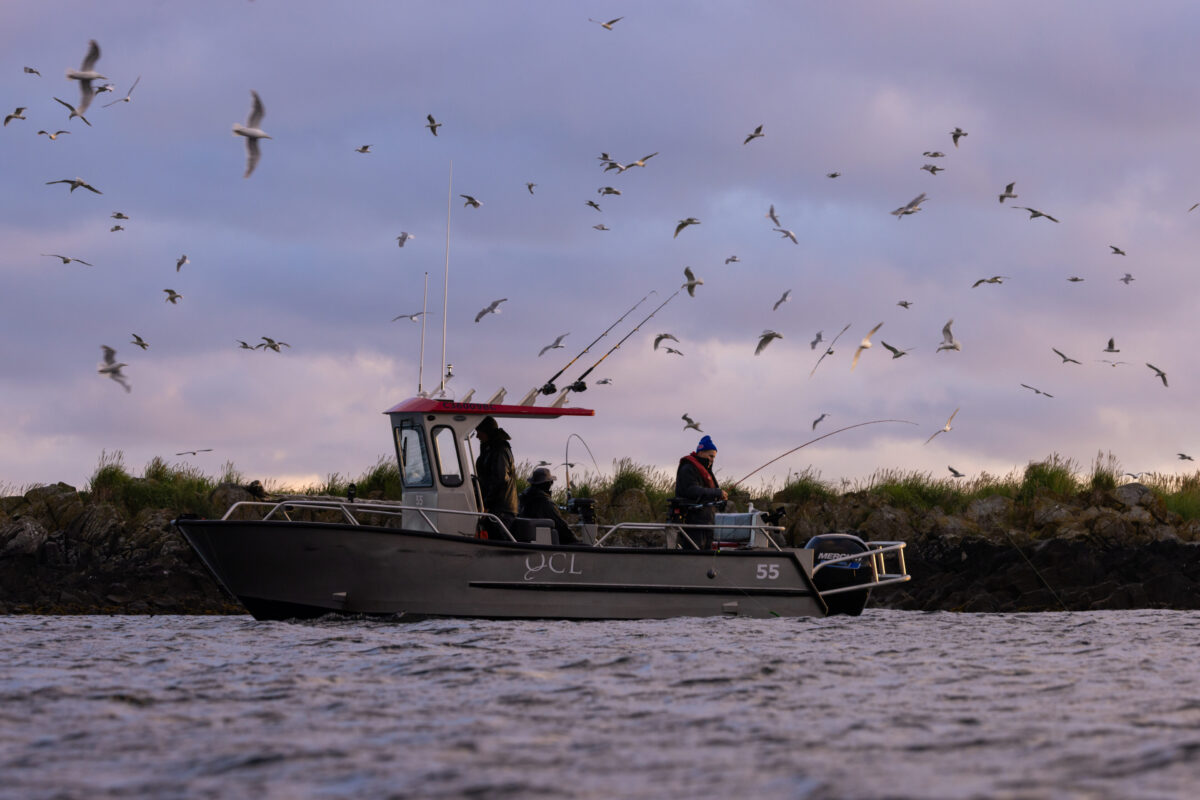
A first class guide begins with an intimate knowledge of the ocean. The waters surrounding Haida Gwaii are alive with constant change – tide shifts, bait moves, currents collide, and weather reshapes the day.
A great guide reads these patterns instinctively. They know when the tide will turn a quiet point into a feeding lane. They understand where salmon stage, were halibut lie, and when conditions call for subtle arrangements in technique. Years on the water build a mental map far more detailed than any chart.
But knowledge alone isn’t enough. The best guides remain students of the ocean, constantly learning, adapting, and refining their approach.
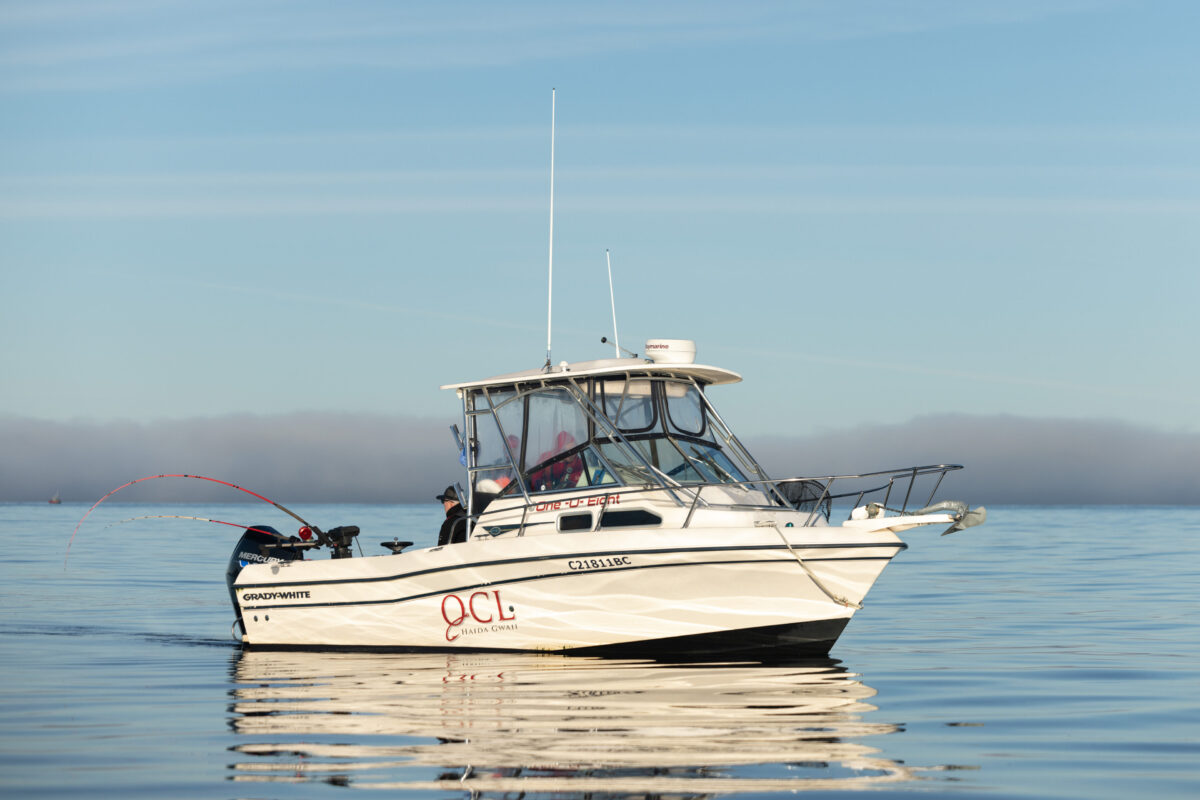
Anticipating the Guest Experience
Fishing is only part of the day. A truly exceptional guide understands that each guest steps onto the boat with different expectations, experience levels, and goals.
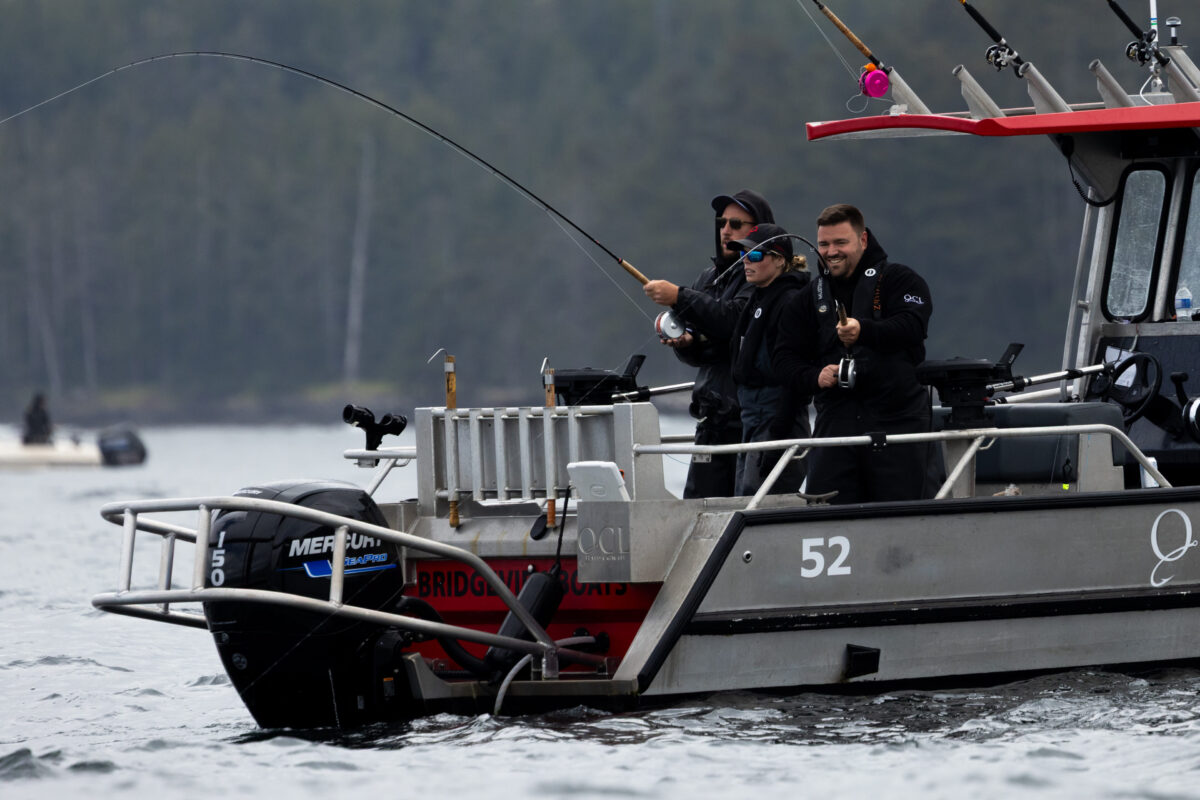
Some guests arrive as seasoned anglers looking for the fight of a trophy Chinook. Others may be holding a rod for the first time. A great guide recognizes these differences immediately and adjusts the day accordingly.
They teach without overwhelming. They encourage without pressure. They celebrate every success, whether it’s a first fish or a personal best.
The result is a day where every guest feels confident, comfortable, and completely immersed in the experience.
Calm Confidence in any Condition
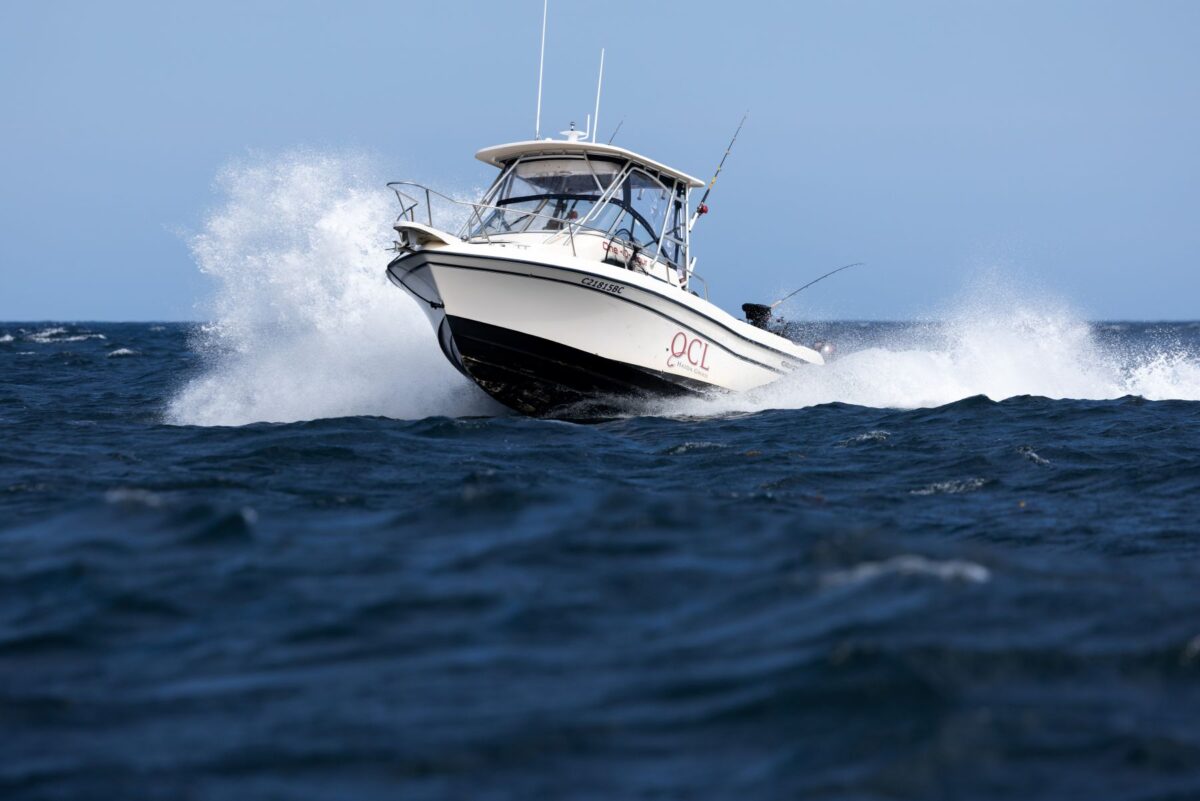
On the ocean, conditions change quickly. Wind rises, weather rolls in, fish move, and plans shift.
The hallmark of a professional guide is calm confidence. They make thoughtful decisions under pressure and always prioritize safety. Guests may never see the calculations happening behind the scenes, but they feel the reassurance of a guide who is always in control.
The Teacher’s Mindset
The best fishing guides are exceptional teachers.
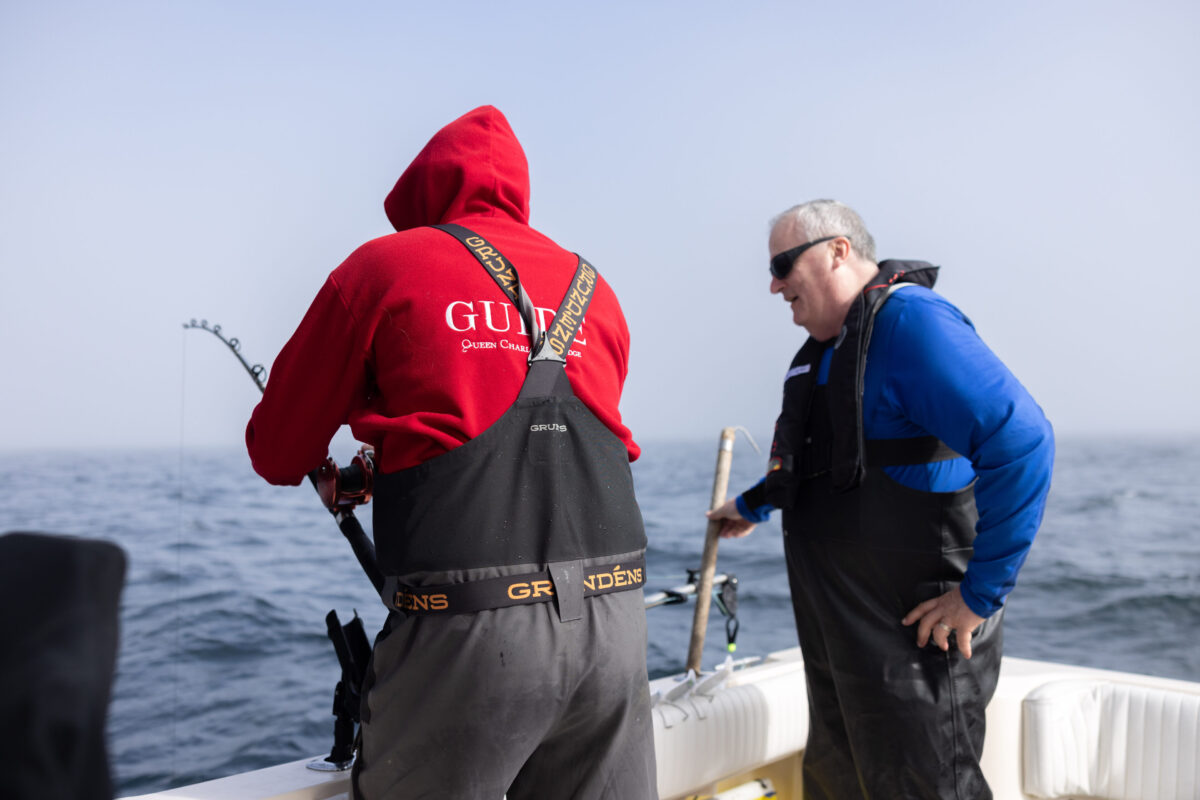
They know how to break down techniques into simple, clear instructions. They help guests understand not just what to do, but why it works. By the end of the day, guests often leave not only with their fish but with new skills and knowledge they’ll carry for years.
Great guides measure success not just by the fish in the box, but by what their guests learn along the way.
Stewardship of the Resource
First class guiding also means protecting the waters that make the experience possible.
Responsible fish handling, respect for regulations, and a deep appreciation for the ecosystem are all a part of the role. Guides serve as ambassadors for the fishery, helping guests understand the importance of sustainability and conservation.
In doing so, they ensure these waters remain productive and vibrant for generations to come.
The Human Element
Perhaps the most overlooked aspect of guiding, is the human connection.
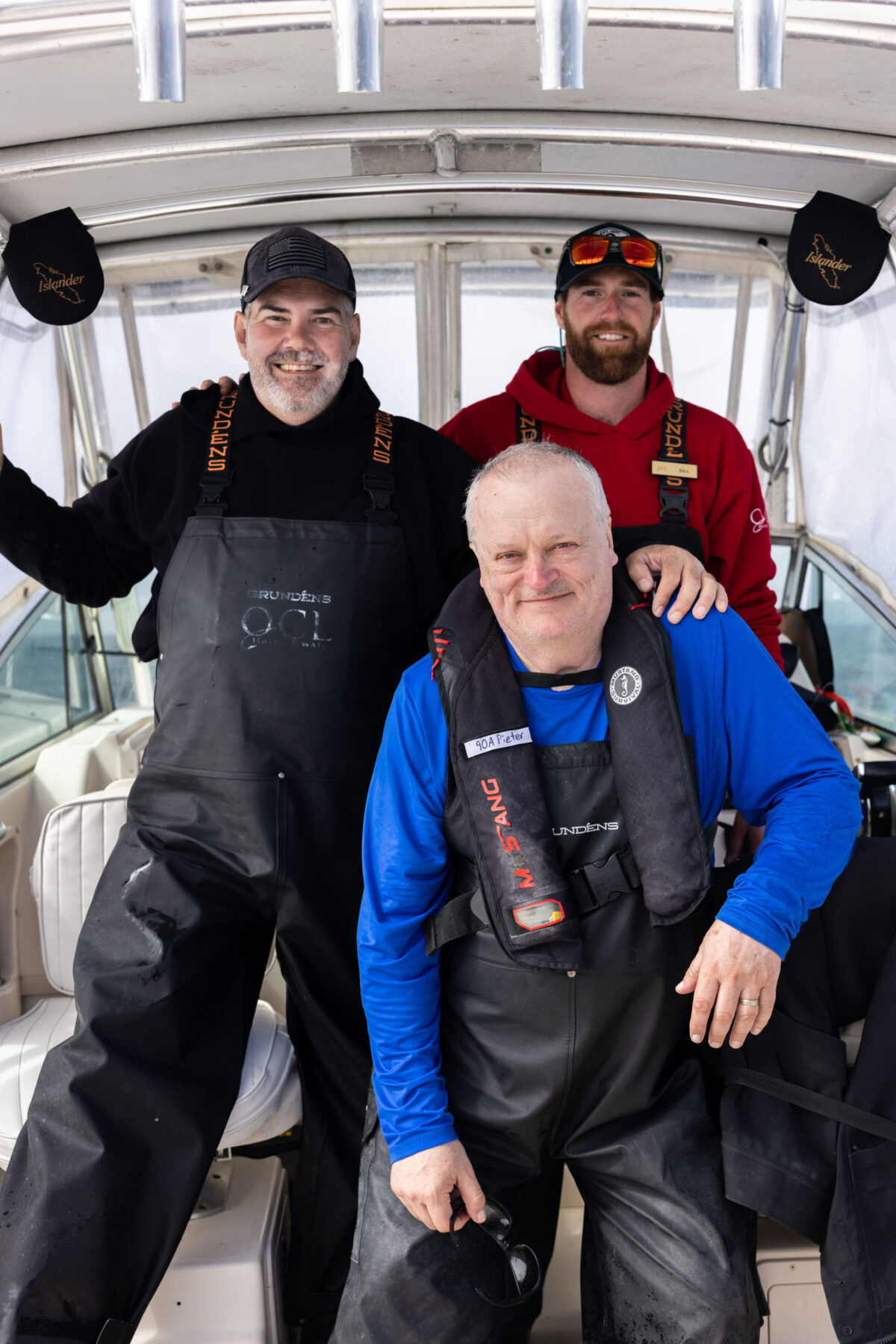
A guide often spends eight hours, or more, with their guests. They share stories, laughter, quiet moments, and the thrill of a screaming reel. By the end of the day, what began as a fishing trip often feels more like time spent with an old friend.
The best guides understand that the memories guests take home are shaped as much by the conversation and camaraderie as by the fish itself.
More than Fishing
At QCL, guiding is not simply about catching fish. It’s about creating a complete experience on the water, one that blends expertise, hospitality, and a genuine passion for the ocean.
First class guides combine technical skill with emotional intelligence. They know the fish, they know the water, and most importantly, they know people.
That balance is what transforms a good day of fishing into an unforgettable one.
And that, is the true art of guiding.